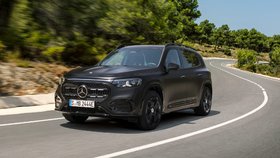

Guarding Every Lane Change With the 2026 Mercedes-Benz GLE’s Driver-Assist Suite
August 28 2026,
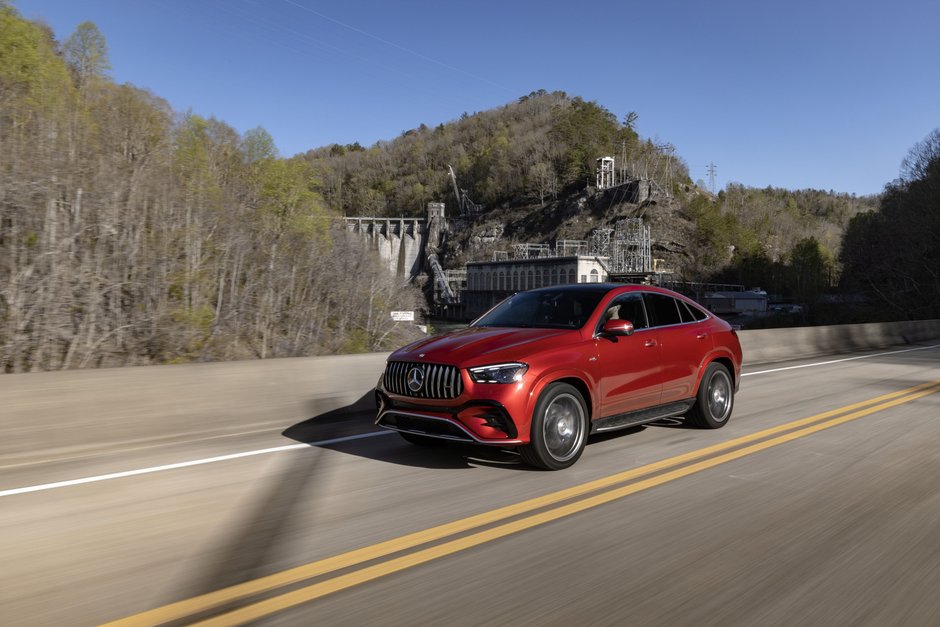
Quebec highways mean a lot of lane changes: passing slower traffic, merging around trucks, adjusting position on a long multilane stretch. The 2026 GLE includes a system built around exactly that kind of driving.
If you’re weighing how much driver-assist tech actually matters day to day, Active Lane Change Assist is worth understanding before you decide.
What Active Lane Change Assist Actually Is
Active Lane Change Assist is part of the GLE’s Driver Assistance Package, a $2,800 CAD option that bundles lane control, distance control, and emergency-support functions into one system.
It is not a standalone gadget. It works alongside Active Distance Assist DISTRONIC, Active Steering Assist, and Active Lane Keeping Assist, and it only activates once DISTRONIC is engaged and cruising.
The distinction matters. Active Lane Keeping Assist helps you stay centred in your current lane. Active Lane Change Assist is different: it helps you move INTO a new lane, at your request.
How The System Works, Step By Step
With DISTRONIC engaged, the driver signals intent to change lanes by activating the turn signal for a sufficient number of seconds. The system checks two things before it moves: that you’re on a multilane highway, and that the area across the dashed lane marking is clear.
Only when both conditions are met does the system steer the GLE into the adjacent lane. It will not force a lane change on its own, and it will not act if lane markings are unclear or if the road isn’t recognized as a multilane highway.
Here’s what the package groups together, by function:
- Lane control: Active Lane Keeping Assist, Active Lane Change Assist, Active Steering Assist
- Speed control: Active Speed Limit Assist, Route-based Speed Adaptation
- Emergency support: Active Brake Assist with Cross-Traffic Function, Active Emergency Stop Assist, Evasive Steering Assist, PRE-SAFE PLUS, PRE-SAFE Impulse Side
- Blind-spot and traffic awareness: Active Blind Spot Assist, Active Stop-and-Go Assist, Enhanced Stop-and-Go
Why It Matters On Multilane Highways
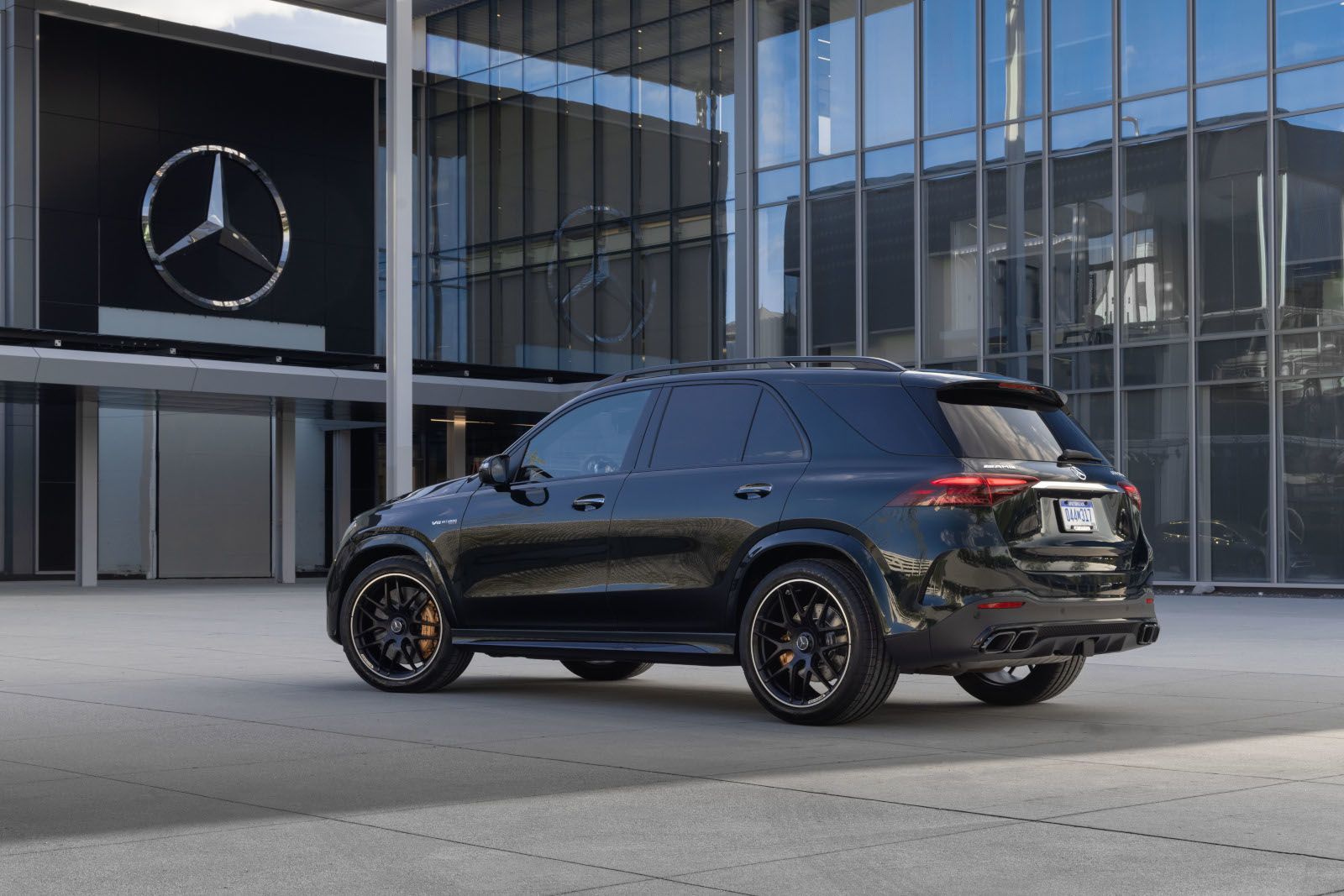
On a dense multilane highway, passing slower traffic or repositioning for an upcoming exit takes constant small decisions. Active Lane Change Assist doesn’t remove those decisions from the driver; it supports the execution once you’ve made the call.
In heavier traffic or when lane markings are worn or hard to read, the system is built to hold back rather than guess. That’s a deliberate limit, not a gap: it only assists when its own conditions for a clear, confirmed lane change are met.
This is why Mercedes-Benz frames it as support technology, not a substitute for checking mirrors and blind spots yourself. The driver stays responsible for confirming it’s safe to move over, and for remaining ready to take over the steering input at any point.
Who Gets The Most Out Of This System
Highway commuters doing repetitive stretches of multilane driving will notice this system more than someone running short errands around town. So will frequent road-trippers covering long distances where the number of lane changes adds up over a drive.
Safety-focused shoppers evaluating the GLE’s broader assistance suite should look at the package as a whole rather than at any single feature. Active Lane Change Assist works best as one piece of a package that also covers blind-spot awareness, stop-and-go traffic, and emergency braking support.
For a short urban commute with few lane changes, the system’s benefit is smaller. For regular Quebec highway travel with repeated passing and merging, it’s the kind of feature that adds convenience trip after trip.
See The GLE’s Driver-Assist Suite At Mercedes-Benz Blainville
The 2026 GLE’s Driver Assistance Package pairs Active Lane Change Assist with lane keeping, distance control, and blind-spot monitoring in one $2,800 CAD option, built around real multilane highway use.
Visit Mercedes-Benz Blainville near Mirabel to see the driver-assist suite on the 2026 GLE in person, and ask about a test drive that focuses on highway-assist behaviour and lane-change confidence.